Implant Design: From the Apical End Up [Surface Texture, Thread Design, Tissue vs. Bone Level]
Explore how implant surface texture, thread design, and the selection of tissue-level versus bone-level implants influence osseointegration, crestal bone stability, and long-term clinical success.
The following topics will be explored in this important biologic and clinical discussion, providing participants with a deeper understanding of the principles that influence implant success and long-term outcomes:
- What is osseointegration? An examination of this process at both the light microscope and electron microscope levels.
- What role does the titanium oxide layer play on the implant surface, and does it change over time?
- What surface characteristics best promote osseointegration? Can an implant surface be too rough or too smooth? Should surfaces be blasted, etched, coated, or modified in other ways?
- How do the height and width of surface peaks influence bone deposition and the speed of integration?
- How do implant thread design and pitch affect implant placement, primary stability, and loading protocols in varying bone densities?
- How should implant length and diameter be selected? How short, narrow, or wide can implants predictably be used?
- Crestal versus muco-buccal fold incisions: what are the advantages and disadvantages of each approach?
- Operating room sterility versus office-based sterility: what standards are necessary and appropriate?
- Reflected flap, tissue punch, and true flapless surgery: when is each technique indicated, and what are their respective benefits and limitations?
- Is the concept of a critical 37°C threshold for heat generation during osteotomy preparation supported by the evidence?
- What effect does insertion pressure have on bone physiology? Is there such a thing as excessive compression?
- What are the biologic and mechanical implications of tapered versus straight-sided implant designs?
- What are the long-term periodontal and peri-implant tissue effects associated with different implant surface characteristics?
Through this evidence-based review, participants will gain practical insights that can be applied to surgical decision-making, implant selection, and treatment planning to enhance predictability and optimize long-term clinical success.
Speakers
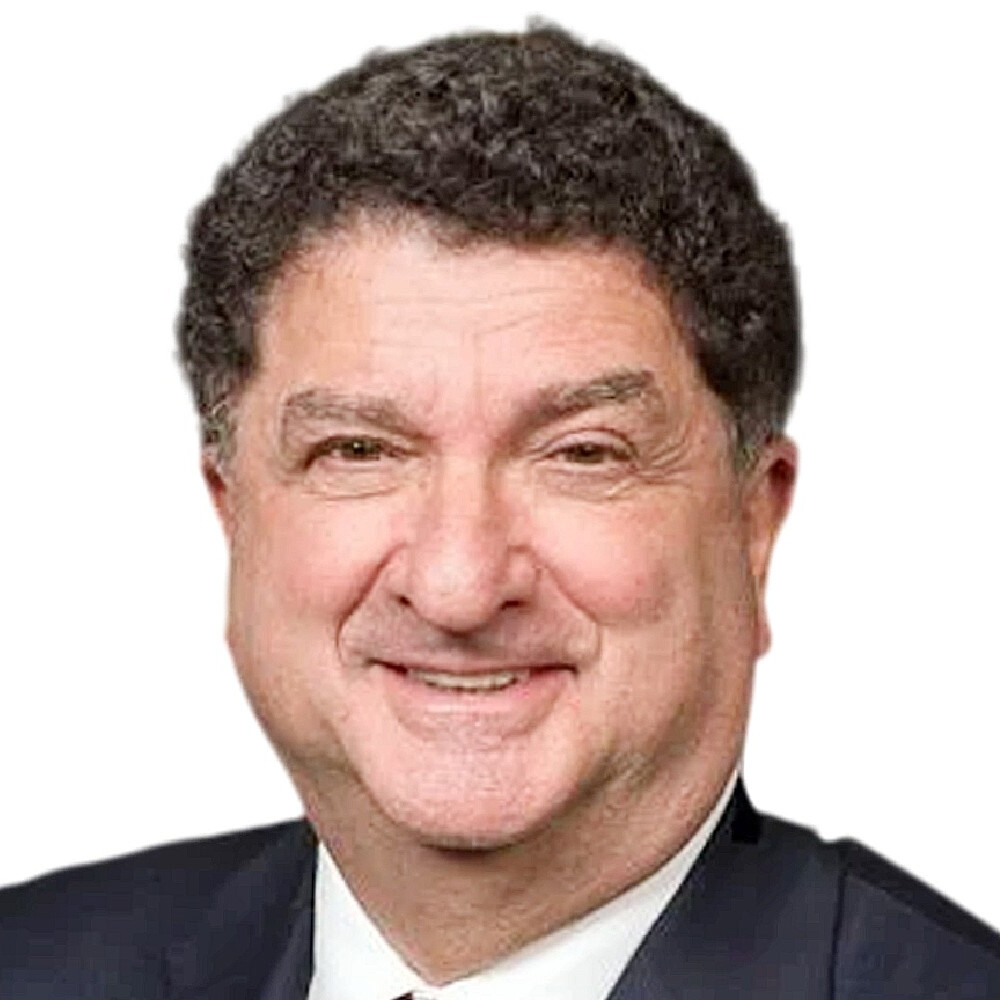
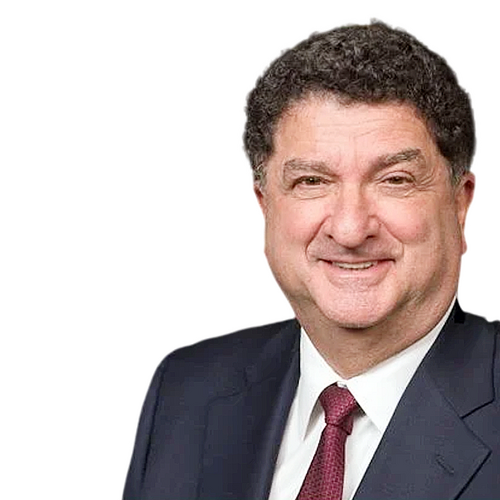
Dr. Dennis Tarnow DDS
More courses with Dr. Dennis TarnowDr. Dennis Tarnow is currently Clinical Professor of Periodontology and Director of Implant Education at Columbia School of Dental Medicine and former Professor and Chairman of the Department of Periodontics and Implant Dentistry at New York University College of Dentistry. He has a certificate in Periodontics and Prosthodontics and is a Diplomat of the American Board of Periodontology.
Dr. Tarnow has a private multispecialty interdisciplinary practice in New York City, and has been honored with a wing named after him at New York University College of Dentistry. He has published over 250 articles on perio-prosthodontics and implant dentistry and has co-authored four textbooks including The Single Tooth Implant. Dr. Tarnow has lectured extensively in the United States and internationally in over forty-five countries.
Dr. Tarnow is a recipient of the Master Clinician Award from the American Academy of Periodontology, Teacher of the Year Award from New York University, Nobel Biocare Branemark Osseointegration Award from Academy of Osseointegration, Distinguished Lecturer Award from the American College of Prosthodontists, Lifetime Achievement Award from Spanish Society of Prosthodontics and Aesthetic Dentistry (SEPES), and the Lifetime Achievement Award from the American Academy of Esthetic Dentistry.