Implant Design: From the Abutment Connection Down [External vs. Internal, Platform Shifting, Depth of Placement, & Biologic Width]
Examine the evidence behind today's most debated implant design concepts. This webinar explores implant connections, platform switching, biologic width, implant placement depth, and keratinized tissue to provide practical strategies for achieving long-term hard and soft tissue stability.
This program will examine the evidence and clinical considerations that influence implant design and placement decisions aimed at achieving long-term hard and soft tissue stability. Participants will explore some of the most debated topics in implant dentistry and gain practical guidance for everyday clinical decision-making, including:
- Should clinicians select internal implant connections exclusively, or is there still a role for external connections? The controversy surrounding each design, along with their respective advantages and limitations, will be reviewed.
- What are the benefits and drawbacks of tissue-level versus bone-level implants? Should implant surface coatings extend to the coronal aspect of the implant, or should the coronal portion remain free of surface texture?
- What is platform switching, and how does it influence crestal bone levels following healing? Is a greater degree of platform switching advantageous, or are there situations in which little or no switching is preferable?
- How does the biologic width around implants affect implant design choices and surgical placement protocols?
- Is the concept of “zero bone loss” following implant healing biologically and radiographically achievable? Should implants be positioned at the crestal bone level, placed subcrestally, or restored with the implant platform positioned coronally to the crest?
- What role does the zone of keratinized tissue play in peri-implant health, maintenance, and long-term esthetic success? What amount of keratinized tissue is ideal for predictable outcomes?
Through a critical review of the literature and clinical experience, participants will gain a clearer understanding of these controversies and leave with practical strategies for optimizing implant treatment outcomes.
Learning Objectives
Upon completion of this webinar, participants will be able to:
- Compare the advantages, limitations, and clinical indications of internal and external implant-abutment connection designs.
- Differentiate between tissue-level and bone-level implant designs and evaluate their impact on hard and soft tissue outcomes.
- Explain the biologic rationale for platform switching and assess its influence on crestal bone preservation and peri-implant tissue stability.
- Describe the components and dimensions of the peri-implant biologic width and their significance in implant treatment planning.
- Evaluate the effects of implant placement depth (crestal, subcrestal, and supracrestal positioning) on peri-implant bone remodeling and restorative outcomes.
- Assess the evidence supporting the concept of “zero bone loss” and determine realistic clinical expectations following implant placement and restoration.
- Identify the role of implant surface characteristics in tissue response and long-term implant success.
- Discuss the importance of keratinized tissue around implants and its relationship to peri-implant health, maintenance, patient comfort, and esthetic outcomes.
- Apply evidence-based principles to implant design selection and surgical placement protocols to optimize long-term hard and soft tissue stability.
- Integrate current scientific evidence into clinical decision-making to improve predictability and long-term implant treatment outcomes.
Speakers
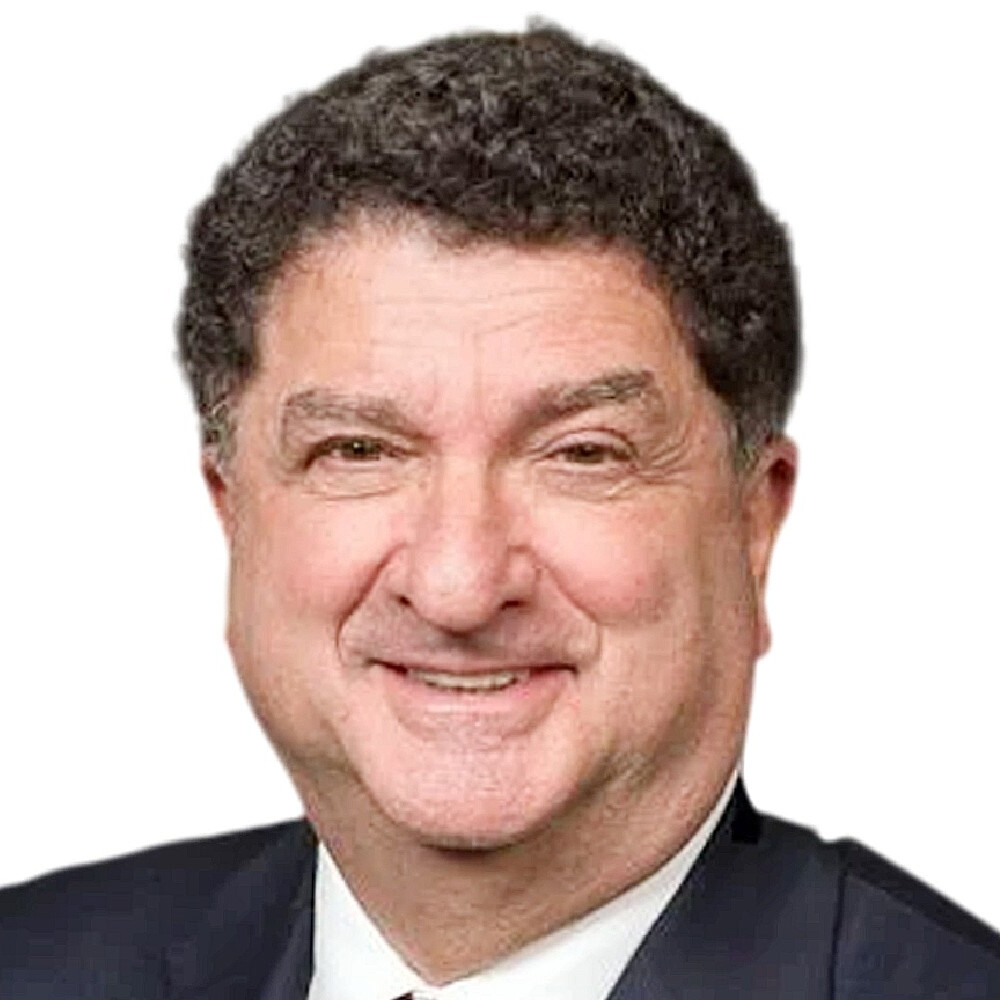
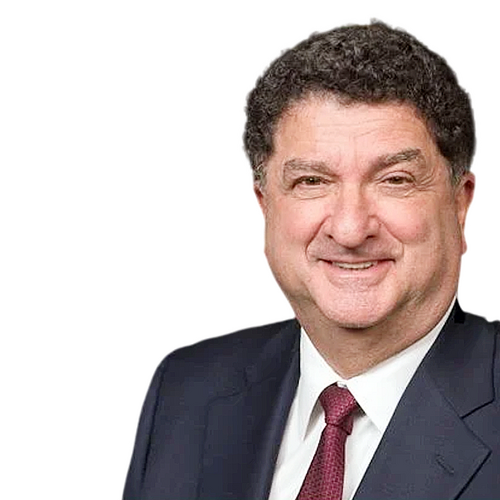
Dr. Dennis Tarnow DDS
More courses with Dr. Dennis TarnowDr. Dennis Tarnow is currently Clinical Professor of Periodontology and Director of Implant Education at Columbia School of Dental Medicine and former Professor and Chairman of the Department of Periodontics and Implant Dentistry at New York University College of Dentistry. He has a certificate in Periodontics and Prosthodontics and is a Diplomat of the American Board of Periodontology.
Dr. Tarnow has a private multispecialty interdisciplinary practice in New York City, and has been honored with a wing named after him at New York University College of Dentistry. He has published over 250 articles on perio-prosthodontics and implant dentistry and has co-authored four textbooks including The Single Tooth Implant. Dr. Tarnow has lectured extensively in the United States and internationally in over forty-five countries.
Dr. Tarnow is a recipient of the Master Clinician Award from the American Academy of Periodontology, Teacher of the Year Award from New York University, Nobel Biocare Branemark Osseointegration Award from Academy of Osseointegration, Distinguished Lecturer Award from the American College of Prosthodontists, Lifetime Achievement Award from Spanish Society of Prosthodontics and Aesthetic Dentistry (SEPES), and the Lifetime Achievement Award from the American Academy of Esthetic Dentistry.